
The Rise of Short-Form Vertical Drama in Streaming
Defining Short-Form Vertical Drama
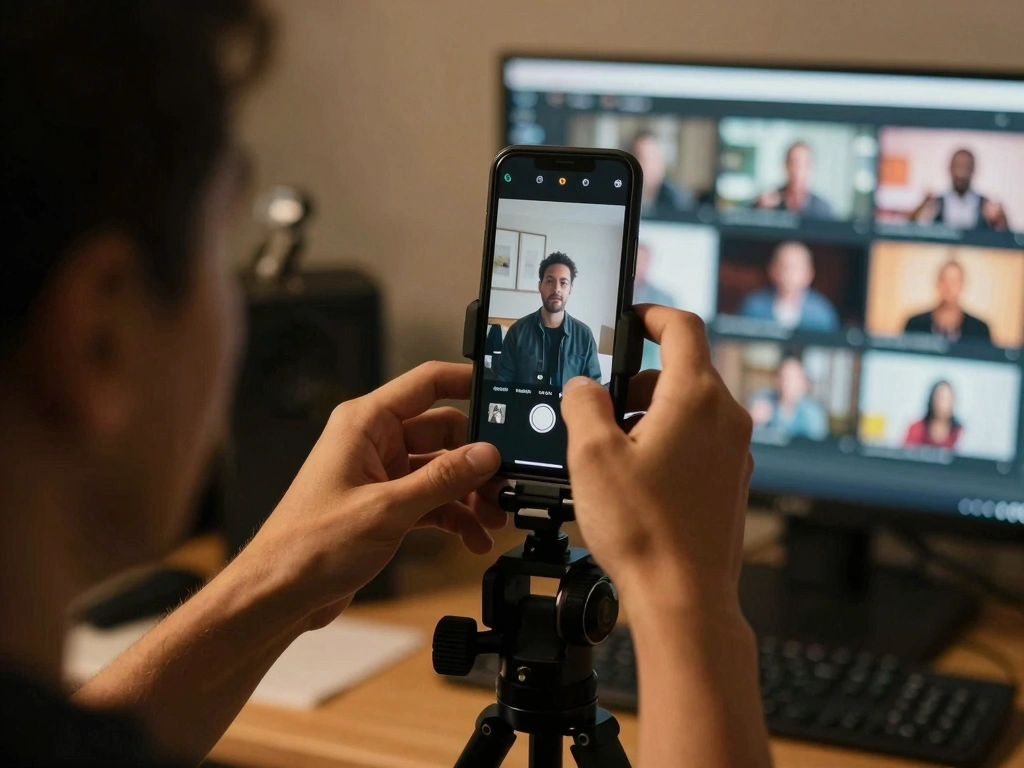
Short-form vertical drama refers to a new genre of storytelling designed specifically for mobile viewing, characterized by concise episodes typically ranging from one to ten minutes. Unlike traditional television formats, which often run for 30 minutes to an hour, short-form vertical dramas focus on delivering impactful narratives in a fraction of the time. This format takes advantage of the vertical aspect ratio of smartphones, allowing for an immersive, full-screen viewing experience that caters to the on-the-go lifestyle of modern audiences.
The Popularity Surge Among Audiences
In recent years, short-form vertical dramas have experienced a meteoric rise in popularity. Platforms like TikTok, Instagram, and Snapchat have showcased the effectiveness of bite-sized content, attracting millions of users who engage with and create videos in a vertical format. According to a report by Statista, as of 2023, over 1 billion users engage with TikTok monthly, demonstrating the platform's success in capturing audience attention with short, vertical videos.
Streaming platforms, recognizing this trend, have begun to invest in short-form vertical dramas to cater to changing viewer preferences. Netflix’s “Nailed It!,” for instance, has launched a series of short episodes tailored for mobile viewing, appealing to audiences seeking quick entertainment. The success of these initiatives highlights the growing demand for content that can be consumed quickly and conveniently.
Key Differences from Traditional Formats
Short-form vertical dramas differ from traditional formats in several key ways:
- Length: Traditional dramas typically last between 30 to 60 minutes, while short-form dramas are designed to deliver concise narratives in less than 10 minutes.
- Viewing Experience: The vertical format is optimized for mobile devices, making it easier for viewers to watch while multitasking or on the move.
- Storytelling Techniques: Short-form dramas often rely on quick pacing and immediate emotional engagement, requiring creators to master the art of brevity and impact.
Impact on Viewer Engagement and Retention
How Shorter Episodes Capture Attention
One of the most significant impacts of short-form vertical dramas is their ability to capture and retain viewer attention. Research indicates that the average attention span for digital content is dwindling, with many viewers drifting away within the first few minutes. According to a report by Microsoft, the average human attention span has decreased to about eight seconds. Short-form dramas, with their brevity, cater to this trend by providing quick, engaging content that fits neatly into the viewer's schedule.
For example, the short series “#FreeRayshawn,” produced by Quibi, successfully leveraged the short-form format to create a thrilling narrative that kept viewers engaged while accommodating their busy lifestyles. By delivering intense storytelling in a short time frame, these dramas can effectively maintain viewers' attention and encourage them to explore more content on the platform.
The Role of Vertical Video in User Experience
The vertical video format enhances the overall user experience, particularly on mobile devices. With the majority of video consumption taking place on smartphones, vertical videos align with natural viewing habits, allowing users to hold their devices comfortably without needing to rotate them. Platforms like Instagram and TikTok have capitalized on this preference, leading to a cultural shift in how content is created and consumed.
For instance, the series “The Not-Too-Late Show with Elmo” on HBO Max has successfully utilized vertical video, presenting short segments that are easy to watch in quick bursts, reinforcing the appeal of vertical storytelling in a mobile-first world. The immersive experience provided by vertical video contributes to higher engagement rates and a more satisfying viewing experience overall.
Engagement Metrics and Viewer Loyalty
Short-form vertical dramas are not just about quick consumption; they also foster strong viewer loyalty. Metrics such as completion rates and shares are critical indicators of engagement. According to a study by Tubular Labs, short-form videos generate 1200% more shares than text and images combined, highlighting the potential for virality in this format.
Streaming platforms are increasingly using these metrics to gauge audience engagement. For example, platforms like YouTube and Snapchat have reported that their short-form content consistently achieves higher audience retention rates compared to longer formats. This data reinforces the notion that short-form vertical dramas can cultivate a dedicated viewer base, leading to increased subscriptions and sustained platform engagement.
Changes in Content Creation and Production
Adapting Storytelling Techniques for Short-Form
The unique nature of short-form vertical drama necessitates a shift in storytelling techniques. Writers and creators must learn to convey complex narratives succinctly, often employing innovative techniques such as cliffhangers and rapid character development to keep viewers invested. The challenge lies in creating emotionally resonant stories within tight time constraints.
Successful examples include the series “Guilty Party” on Paramount+, which uses sharp dialogue and quick scene transitions to maintain momentum and audience interest. The ability to convey a complete narrative arc in just a few minutes requires a mastery of pacing and an acute understanding of audience expectations.
Production Challenges and Innovations
While the short-form vertical format offers numerous opportunities, it also presents unique production challenges. Budget constraints and time limitations can complicate the creation of high-quality content. However, many creators have turned these challenges into opportunities by embracing innovative production techniques.
For example, the use of mobile filmmaking technology has surged, allowing creators to produce high-quality videos with minimal resources. Tools such as the Filmic Pro app enable filmmakers to shoot cinematic-quality footage directly from their smartphones, making short-form vertical drama more accessible to emerging creators. This democratization of content creation is reshaping the industry and fostering a new generation of storytellers.
Collaboration with Emerging Filmmakers
The rise of short-form vertical dramas has also opened the doors for collaboration with emerging filmmakers, allowing fresh voices and diverse perspectives to enter the mainstream. Platforms are increasingly seeking out new talent to produce short-form content, recognizing the potential for unique storytelling that resonates with diverse audiences.
For instance, the Quibi series “Most Dangerous Game” featured a variety of up-and-coming filmmakers who brought innovative ideas and fresh narratives to the short-form format. This collaboration not only enriches the content landscape but also fosters a culture of creativity and experimentation that benefits both creators and audiences.
Industry Response and Strategic Adaptations
Streaming Platforms Embracing Vertical Formats
As the popularity of short-form vertical drama continues to grow, streaming platforms are strategically adapting their content offerings. Platforms like Netflix, Hulu, and Amazon Prime Video have begun to invest in short-form vertical content to attract and retain younger audiences who prefer quick, engaging material.
For example, Netflix launched “Netflix Is A Joke,” a short-form comedy series featuring brief segments from various stand-up comedians. By leveraging the short-form format, Netflix can cater to the preferences of a younger demographic while also enhancing its content library.
Shifts in Marketing Strategies for Short-Form Content
The rise of short-form vertical dramas has led to significant shifts in marketing strategies for streaming platforms. Traditional marketing methods focused on promoting full-length episodes are giving way to campaigns that highlight the bite-sized nature of short-form content. Social media, in particular, has become a primary tool for promoting these series through teaser clips and engaging visuals.
Platforms are also leveraging influencer marketing to promote short-form content. By collaborating with popular creators on platforms like TikTok and Instagram, streaming services can reach new audiences and generate buzz around their short-form offerings. This strategy not only enhances visibility but also aligns with the viewing habits of younger generations.
Competition and Market Dynamics
The emergence of short-form vertical drama has intensified competition among streaming platforms. With new players entering the market and established platforms expanding their offerings, the landscape has become increasingly crowded. This competition has resulted in a race to produce high-quality short-form content that captures audience attention.
As platforms vie for viewers, many are experimenting with unique formats and genres within the short-form space. For instance, platforms like Snapchat have introduced “Snap Originals,” a collection of short vertical dramas specifically designed for mobile viewing. This innovative approach reflects the growing recognition of short-form vertical drama as a legitimate and lucrative content category.
The Future of Short-Form Vertical Drama
Predictions for Audience Trends
Looking ahead, the trend towards short-form vertical drama is unlikely to wane. As mobile consumption continues to dominate, audiences will increasingly seek out content that caters to their fast-paced lifestyles. According to a forecast by eMarketer, mobile video consumption is expected to grow by 25% annually, further solidifying the importance of short-form content in the streaming landscape.
Furthermore, as platforms continue to refine their algorithms and recommendations, short-form dramas are likely to be prioritized, leading to increased visibility and engagement. This trend suggests that audiences will not only embrace short-form content but also actively seek it out as a primary source of entertainment.
Technological Advancements Shaping Content Delivery
Technological advancements will play a crucial role in shaping the future of short-form vertical drama. The integration of artificial intelligence and machine learning in content delivery systems will enable platforms to better understand viewer preferences and optimize recommendations for short-form content.
Additionally, advancements in mobile technology, such as improved camera capabilities and faster internet speeds, will enhance the production quality of short-form vertical dramas. As creators gain access to more sophisticated tools, the potential for innovative storytelling will continue to expand, pushing the boundaries of what short-form content can achieve.
Long-Term Implications for the Streaming Landscape
Ultimately, the rise of short-form vertical drama is reshaping the streaming landscape in profound ways. As platforms adapt to changing viewer preferences and invest in innovative content, the traditional model of long-form programming may evolve. This shift could lead to a more diverse range of content offerings that prioritize flexibility, creativity, and engagement.
In conclusion, short-form vertical drama is not just a passing trend; it represents a fundamental shift in how stories are told and consumed in the digital age. As streaming platforms continue to embrace this format, audiences can expect an exciting array of content that aligns with their lifestyles and preferences.