Understanding the Essence of Nyonya4d Culture
The world of Nyonya4d offers a rich tapestry woven from the intricate threads of culture, history, and tradition. This cultural phenomenon is not just a mere aesthetic; it embodies the lifestyle, values, and culinary practices of the Peranakan community, a distinctive group that emerged from the intermarriage of Chinese immigrants and local Malays in Southeast Asia. The significance of Nyonya4d cannot be overstated, as it reflects centuries of heritage that continues to influence contemporary society. When exploring options, nyonya4d provides comprehensive insights into this vibrant culture, guiding enthusiasts and newcomers alike.
What is Nyonya4d?
Nyonya4d represents the unique cultural blend of the Peranakan culture, where ‘Nyonya’ typically refers to the female descendants of Chinese immigrants who settled in Malaysia, while ‘4d’ symbolizes a colloquial reference to elements of cultural expressions related to artistic and culinary practices. This culture is renowned for its exquisite cuisine, intricate craftsmanship, and colorful traditional attire, which all come together to celebrate a legacy that is both authentic and evolving.
The Historical Context Behind Nyonya4d Traditions
The roots of the Nyonya4d culture can be traced back to the 15th century with the arrival of Chinese traders in Malacca. These traders not only came for trade, but many settled down, marrying local Malay women, thus creating a new cultural identity. The Nyonya culture blossomed during the colonial period, where the fusion of Chinese and Malay elements could be seen in their food, attire, and daily practices. Over time, this cultural amalgamation has adapted and evolved, creating a rich historical narrative that continues to resonate with modern society.
Key Elements of Nyonya4d Heritage
- Culinary Arts: Nyonya cuisine is a highlight of the culture, characterized by bold flavors and unique ingredients that blend Chinese cooking techniques with Malay spices.
- Traditional Attire: The Nyonya kebaya, often adorned with intricate embroidery, is a symbol of elegance and cultural pride.
- Art and Craftsmanship: Beaded shoes and traditional porcelain are just a few examples of the exquisite craftsmanship that define Nyonya artistry.
Common Misconceptions About Nyonya4d
Despite its rich heritage, there are several misconceptions surrounding Nyonya4d culture that can lead to misunderstandings. It is essential to address these misconceptions to cultivate a genuine appreciation for this vibrant community.
Myths Surrounding Nyonya4d Practices
One prevalent myth is that Nyonya4d practices are merely a nostalgic remnant of the past, with no relevance in contemporary society. On the contrary, these practices are very much alive and continue to evolve, as the younger generations incorporate traditional elements into modern lifestyles.
Misunderstanding Nyonya4d Attire and Significance
Another common misunderstanding is regarding the significance of Nyonya attire, such as the kebaya. Many view it simply as traditional clothing; however, it serves as a representation of cultural identity, heritage, and social status within the community.
Assumptions About Nyonya4d Cuisine
Many people assume that Nyonya cuisine is indistinguishable from other Southeast Asian cuisines. In reality, it possesses unique characteristics that set it apart, including its rich use of spices, herbs, and distinctive cooking methods that combine the best culinary practices of both Chinese and Malay traditions.
Engaging with Nyonya4d Culture Today
Engaging with Nyonya4d culture requires an understanding of its roots and an appreciation for its modern expressions. Here are some ways to authentically connect with this vibrant culture.
Participating in Traditional Events and Festivals
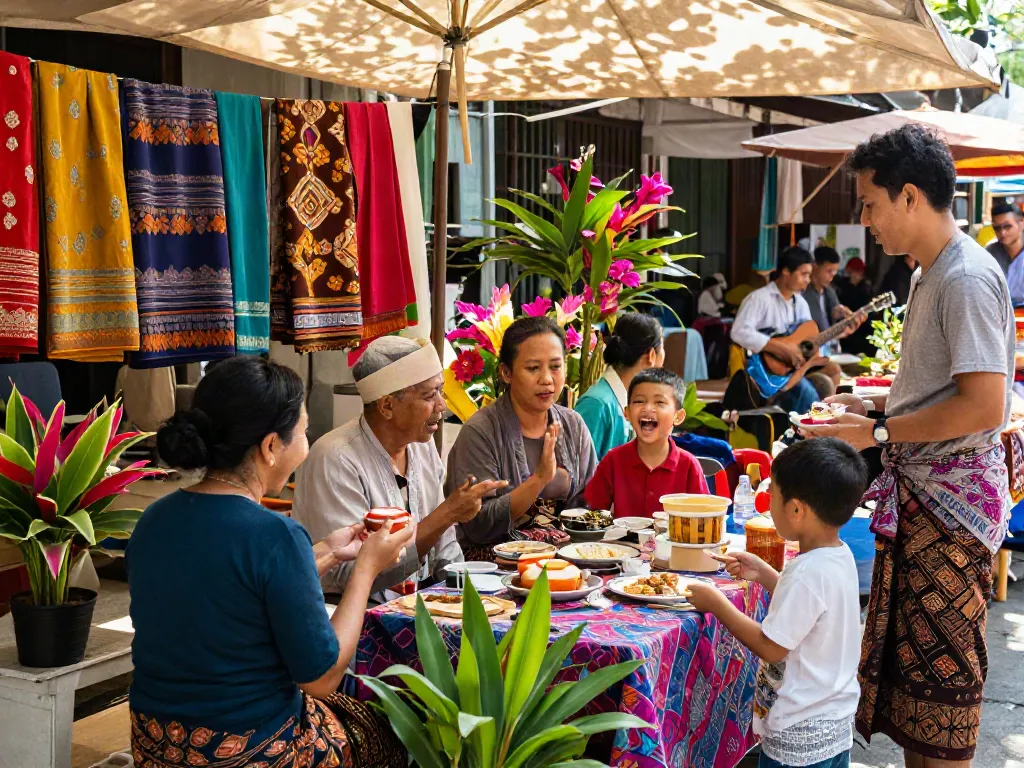
One of the most immersive ways to engage with Nyonya4d culture is by participating in traditional events and festivals, such as the annual Peranakan Festival. These gatherings showcase cultural performances, culinary delights, and craft exhibitions, allowing attendees to experience the full scope of Nyonya4d heritage.
How to Respectfully Embrace Nyonya4d in Modern Life
To respect and embrace Nyonya4d culture, one must approach it with sensitivity and an open mind. This includes educating oneself about its history and significance, as well as avoiding cultural appropriation by appreciating rather than exploiting its elements.
Incorporating Nyonya4d Elements into Contemporary Art
Artists today are increasingly using Nyonya4d elements in their work, blending traditional motifs and techniques with contemporary forms. This fusion not only honors the heritage but also allows new generations to find relevance in their cultural roots.
Best Practices for Promoting Nyonya4d
In promoting Nyonya4d culture, it is vital to identify effective strategies that contribute to its preservation and appreciation within wider communities.
Utilizing Social Media to Share Nyonya4d Stories
Social media platforms provide an excellent opportunity for sharing stories and experiences related to Nyonya4d culture. By showcasing dishes, attire, and festivals, individuals can promote awareness and appreciation globally.
Leveraging Local Businesses to Support Nyonya4d Craftsmanship
Supporting local artisans and businesses that specialize in Nyonya4d crafts is a powerful way to promote this culture. By purchasing authentic handmade goods, consumers contribute to the sustainability of traditional crafts and help preserve the skills of artisans.
Encouraging Community Involvement in Nyonya4d Events
Community involvement in Nyonya4d events can foster a deeper understanding and appreciation of the culture. Encouraging participation from various demographics can create a more inclusive environment for sharing and learning.
Future Trends in Nyonya4d Culture
As we move into the future, several trends are emerging within the Nyonya4d culture, shaping its trajectory for 2026 and beyond.
Emerging Influences in Nyonya4d Art and Fashion
Fashion designers are increasingly drawing inspiration from Nyonya4d elements, leading to innovative collections that honor tradition while appealing to modern sensibilities. This cross-pollination of ideas keeps the Nyonya4d culture vibrant and relevant.
The Role of Technology in Preserving Nyonya4d Heritage
Technology plays a crucial role in preserving Nyonya4d heritage, as advancements in digital media allow for the documentation and sharing of traditions in engaging ways. Virtual reality and online platforms can serve as tools for education and promotion of this rich culture.
Predictions for Nyonya4d in 2026 and Beyond
Looking ahead, it is likely that Nyonya4d culture will continue to gain global recognition. The blending of traditional and modern elements will create new opportunities for engagement, ensuring that this vibrant heritage remains a significant part of the cultural landscape.
Frequently Asked Questions
What are the main features of Nyonya4d culture?
The main features include its culinary arts, traditional attire, unique crafts, and a rich historical narrative that combines both Chinese and Malay influences.
How can I authentically participate in Nyonya4d traditions?
Authentic participation involves learning about the culture through its culinary practices, arts, and community events, as well as engaging with local practitioners.
What should I avoid when engaging with Nyonya4d culture?
To engage respectfully, avoid cultural appropriation and ensure that your interest stems from a genuine appreciation rather than superficial admiration.
Why is Nyonya4d cuisine significant beyond its taste?
Nyonya4d cuisine represents a fusion of cultural identities, showcasing the adaptability and resilience of the Nyonya community over generations.
How to find Nyonya4d events in my area?
To discover Nyonya4d events, consider following local cultural organizations, checking community boards, or searching online platforms dedicated to cultural heritage activities.